Institutions and norms
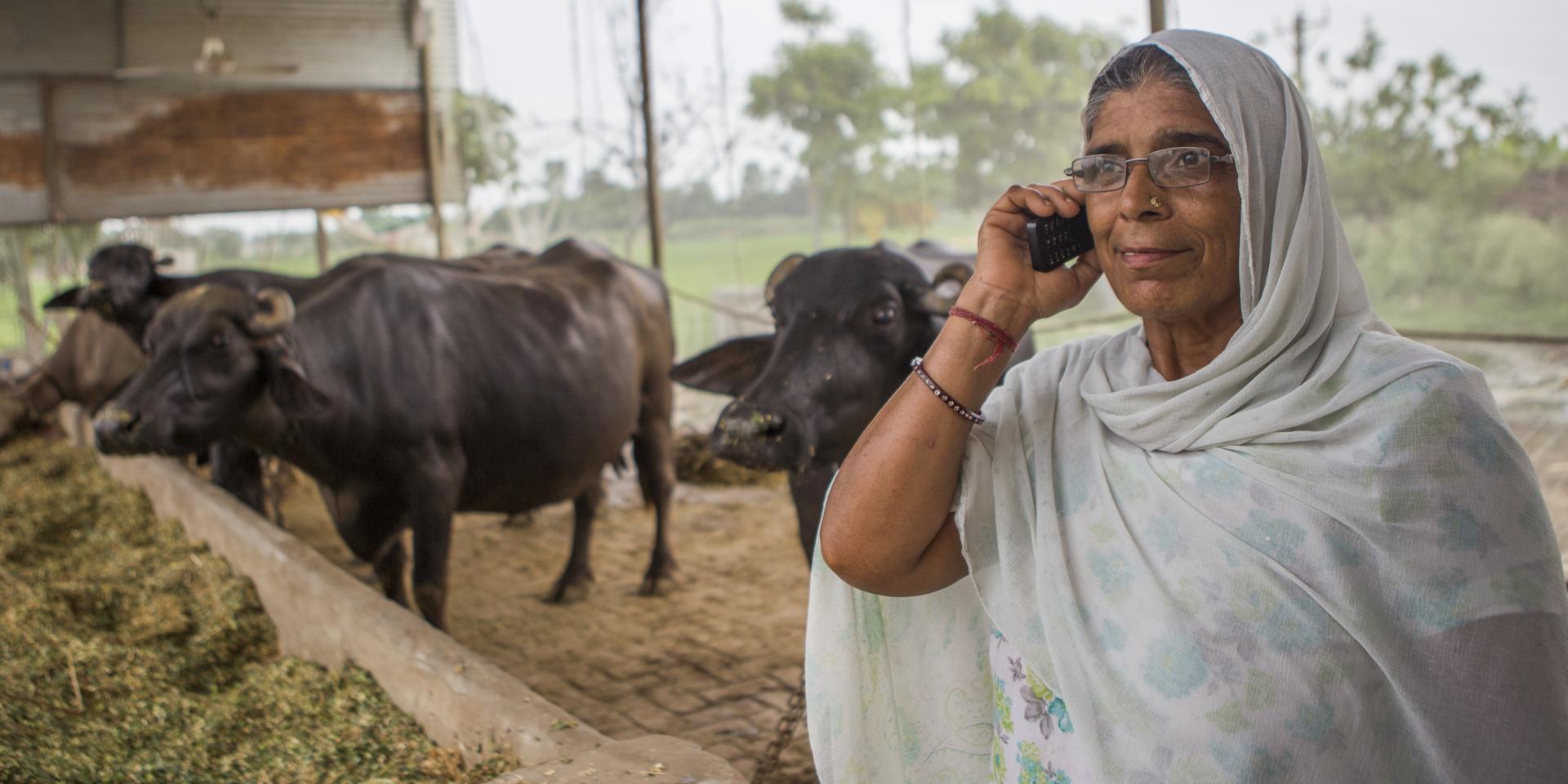 CCAFS/2014/Prashanth Vishwanathan
Achieving gender equality and longevity of food systems is a matter of fixing the system, not the women.
Effective transformation of food systems hinges on changing the unwritten rules—in society and in research—that have put men in charge of technologies, incomes and decisions.
Breaking down the structural barriers that hold women back will enable farmers in developing countries to weather the impacts of climate change and nourish their families and communities, now and in the future.
Spotlight: Gender-transformative approaches

Curated by CGIAR Research Program on FISH
Gender-transformative approaches
13Publication(s)
11Tool(s)
Stories and insights
Evidence explainers
Publications
Training Material
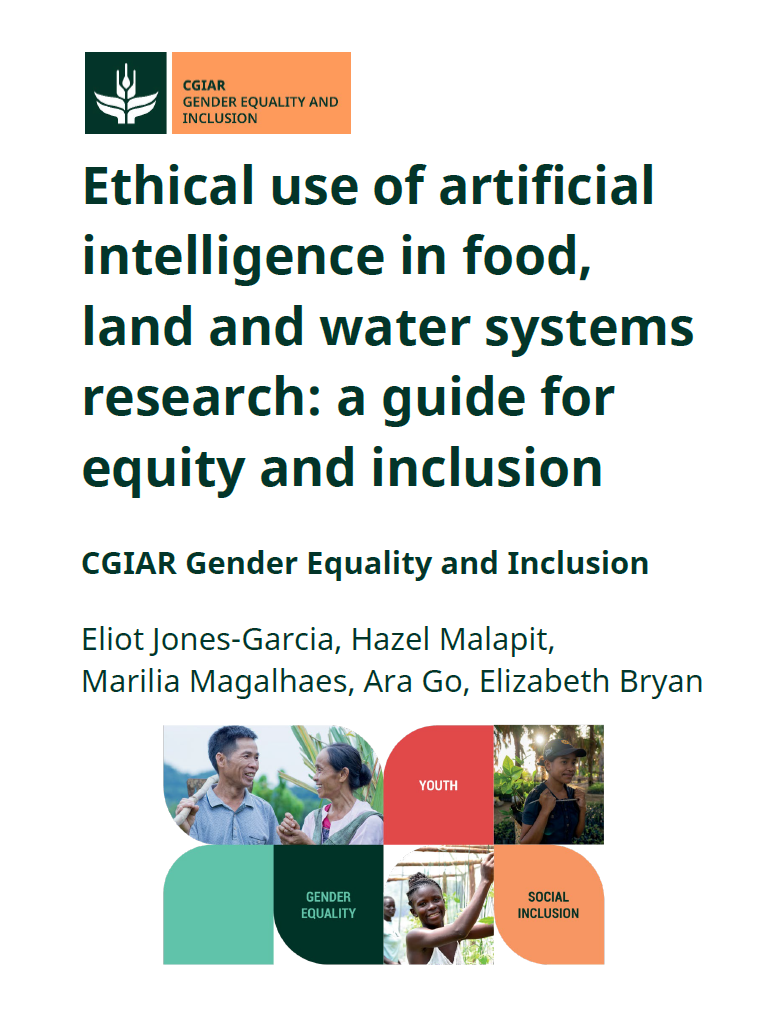
Ethical use of artificial intelligence in food, land and water systems research: a guide for equity and inclusion
Jones-Garcia, Eliot, Hazel Malapit, Marilia Magalhaes, Ara Go, and Elizabeth Bryan. 2025. Ethical use of artificial intelligence in food, land and water systems research: a guide for equity and inclusion. Nairobi, Kenya: CGIAR Gender Equality and Inclusion.
Working Paper
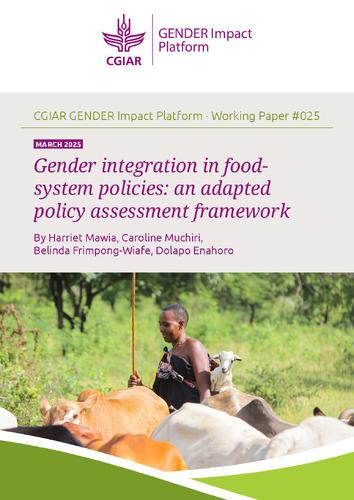
Gender integration in food-system policies: an adapted policy assessment framework: CGIAR GENDER Impact Platform Working Paper #25
Mawia, H., Muchiri, C., Frimpong-Wiafe, B. and Enahoro, D. 2025. Gender integration in food-system policies: an adapted policy assessment framework. CGIAR GENDER Impact Platform Working Paper #025. Nairobi, Kenya: CGIAR GENDER Impact Platform.
Working Paper
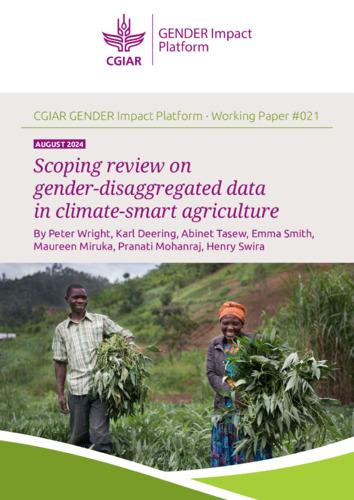
Scoping review on gender-disaggregated data in climate-smart agriculture: CGIAR GENDER Impact Platform Working Paper #21
Wright, P., Deering, K., Tasew, A., Smith, E., Miruka, M., Mohanraj, P. and Swira, H. 2024. Scoping review on gender-disaggregated data in climate-smart agriculture. CGIAR GENDER Impact Platform Working Paper 21. Nairobi, Kenya: CGIAR GENDER Impact Platform.