Crops and technologies
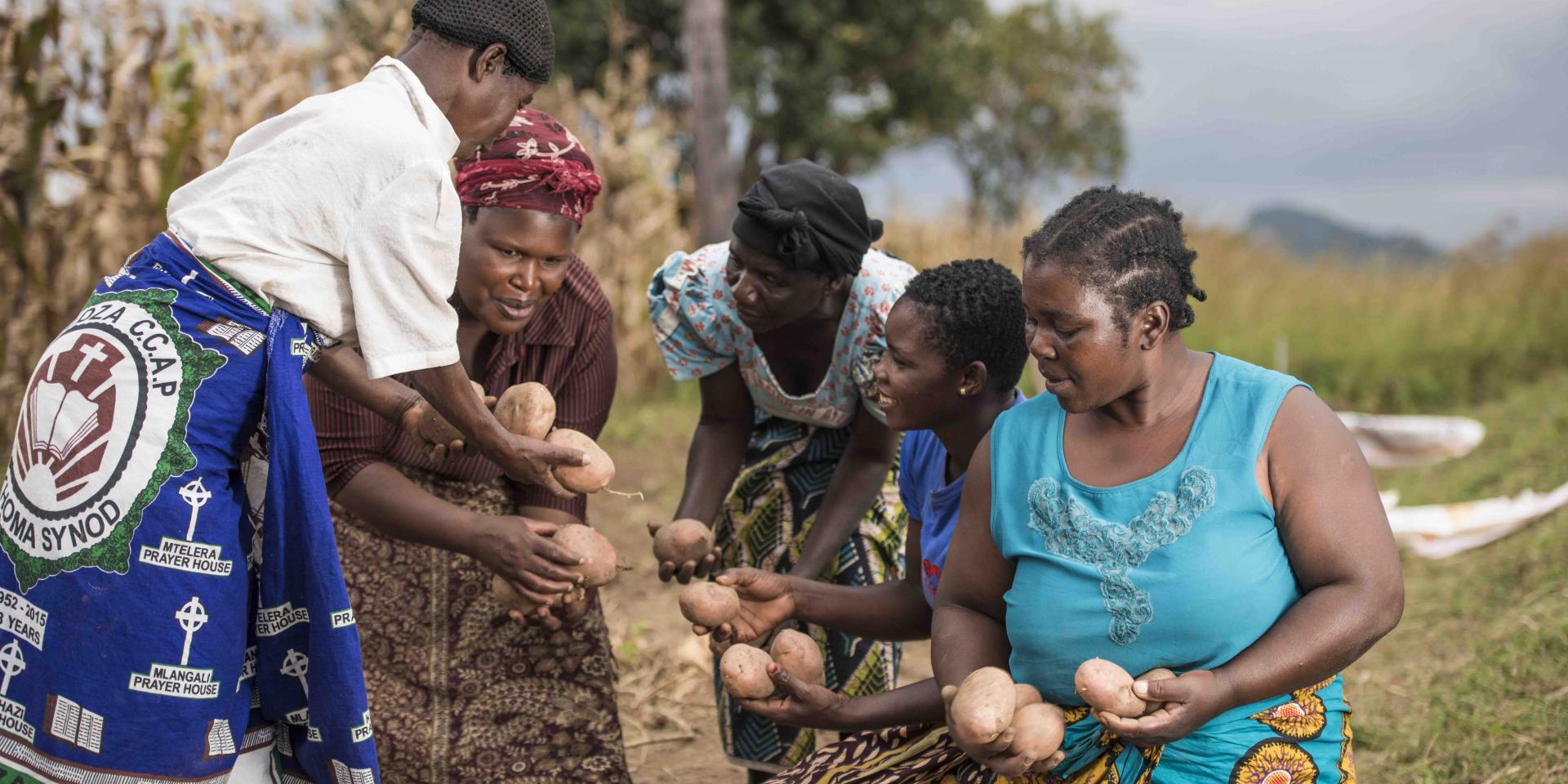
Hugh Rutherford for CIP
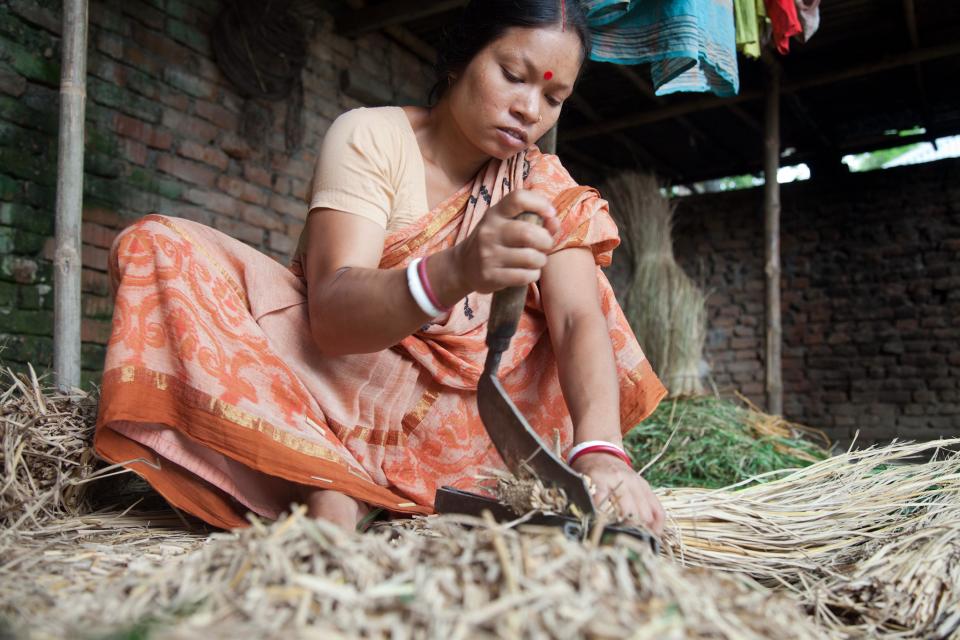
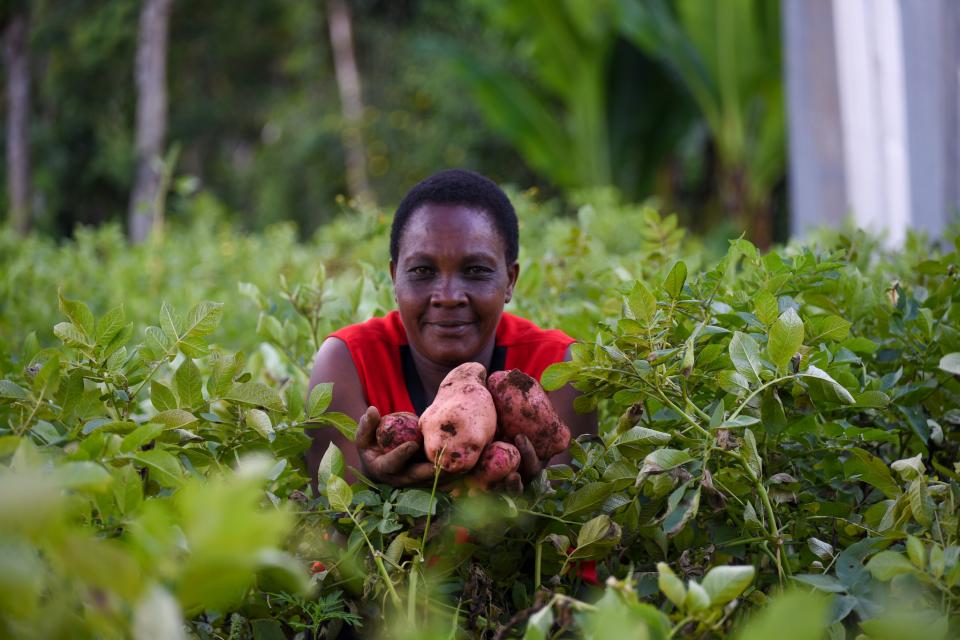
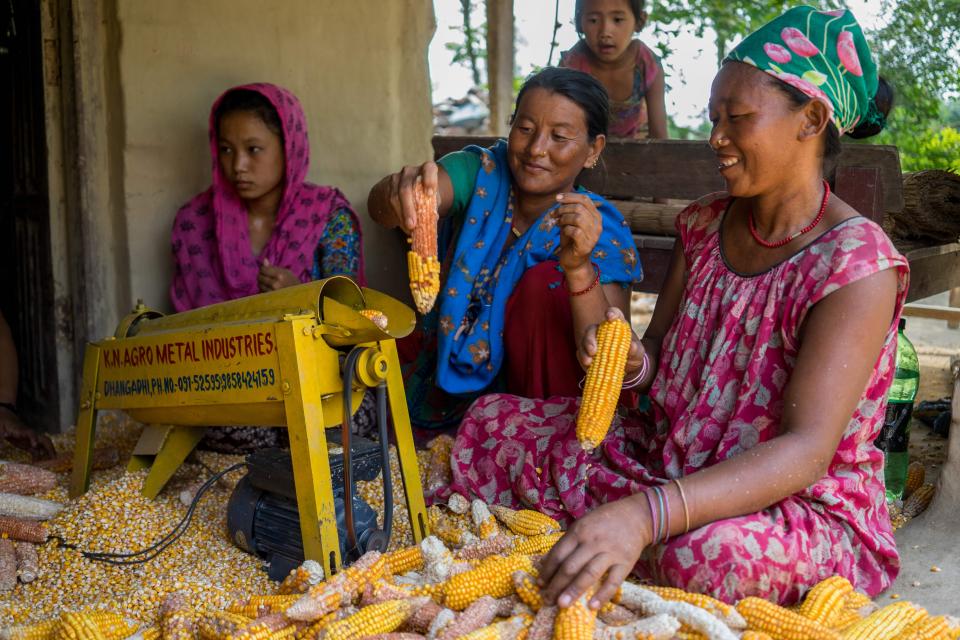
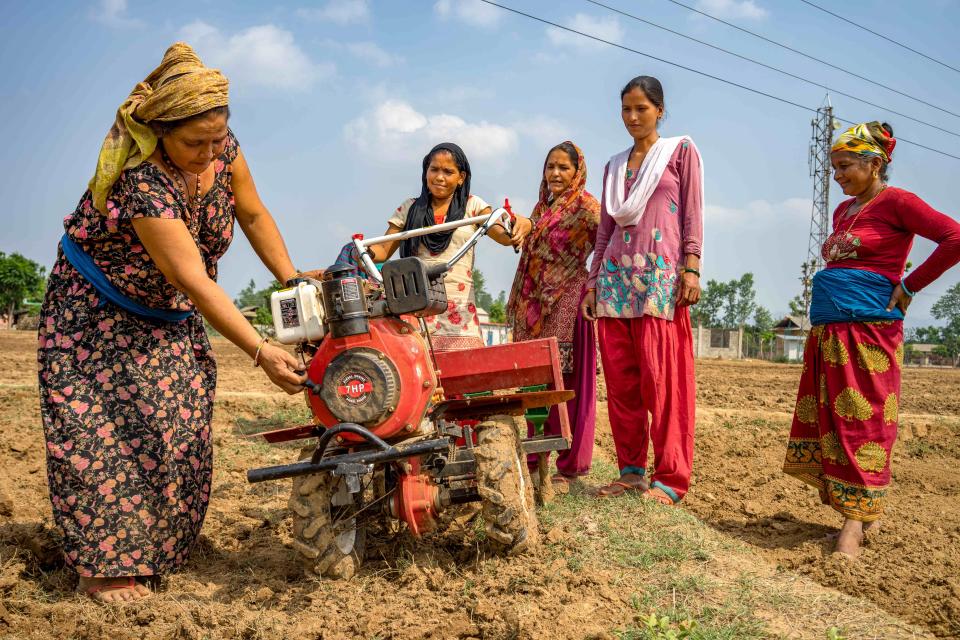
Women farmers less frequently adopt modern technologies, improved crop varieties and new livestock breeds because researchers often fail to include women’s inputs when designing crops and technologies.
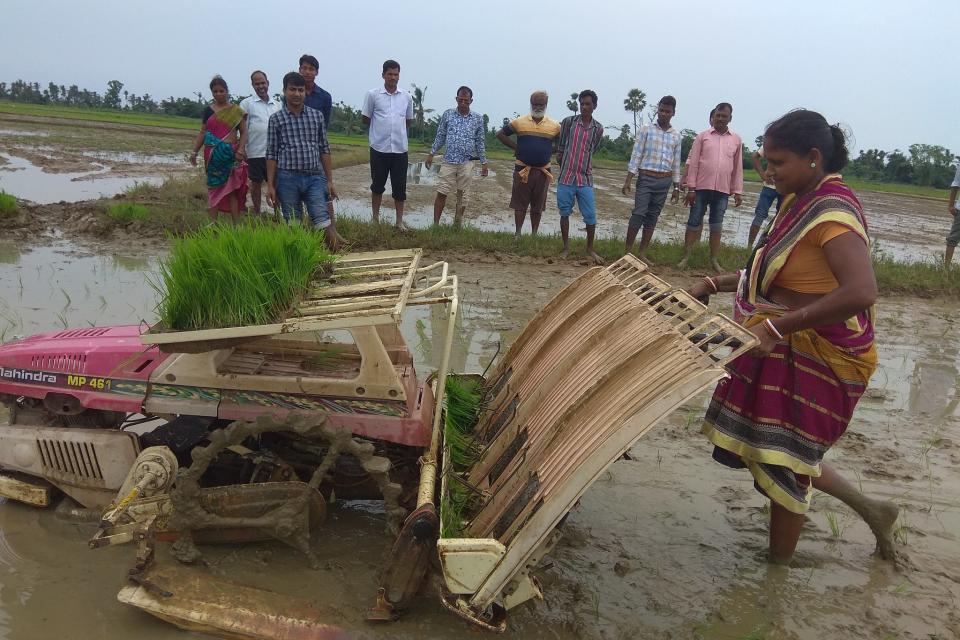
As a result, the uptake of modern varieties and breeds remains limited. This is also the case for technologies—from irrigation pumps to livestock vaccines—that often do not fit women’s needs.
Co-developing technologies with women, men, youth and diverse groups of farmers and consumers—as well as investing in research that shows what breeds and technologies work for women—will be necessary to ensure wide use of improved breeds and varieties in a more sustainable and resilient food system.
Stories and insights

Evidence explainers

Publications
Ethical use of artificial intelligence in food, land and water systems research: a guide for equity and inclusion
Jones-Garcia, Eliot, Hazel Malapit, Marilia Magalhaes, Ara Go, and Elizabeth Bryan. 2025. Ethical use of artificial intelligence in food, land and water systems research: a guide for equity and inclusion. Nairobi, Kenya: CGIAR Gender Equality and Inclusion.
Lessons on methodologies to assess women’s empowerment from two agricultural and livestock project portfolios: CGIAR Gender Equality and Inclusion Working Paper #030