Conference closes on a high with lessons for inspired and equitable change
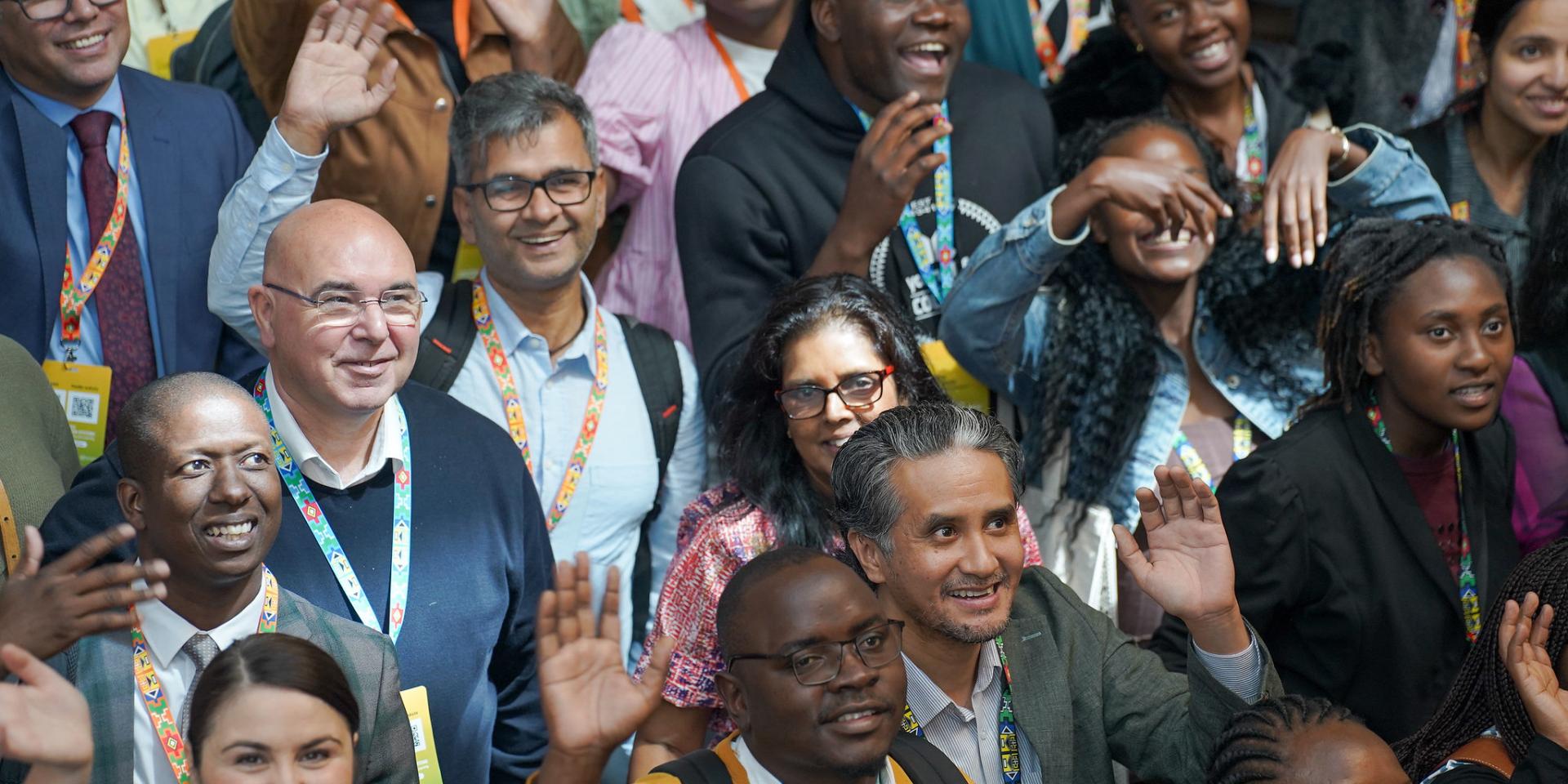
As the Gender in Food, Land and Water Systems Conference closed, participants left buoyed by the hope that speakers and the networking imbued in them. We aim to ‘get uncomfortable’ to create long-lasting systemic change, using co-creation and strong partnerships.
It’s never been more urgent to accelerate progress toward gender equality, especially as the world edges closer to the 2030 ‘deadline’ for the Sustainable Development Goals.
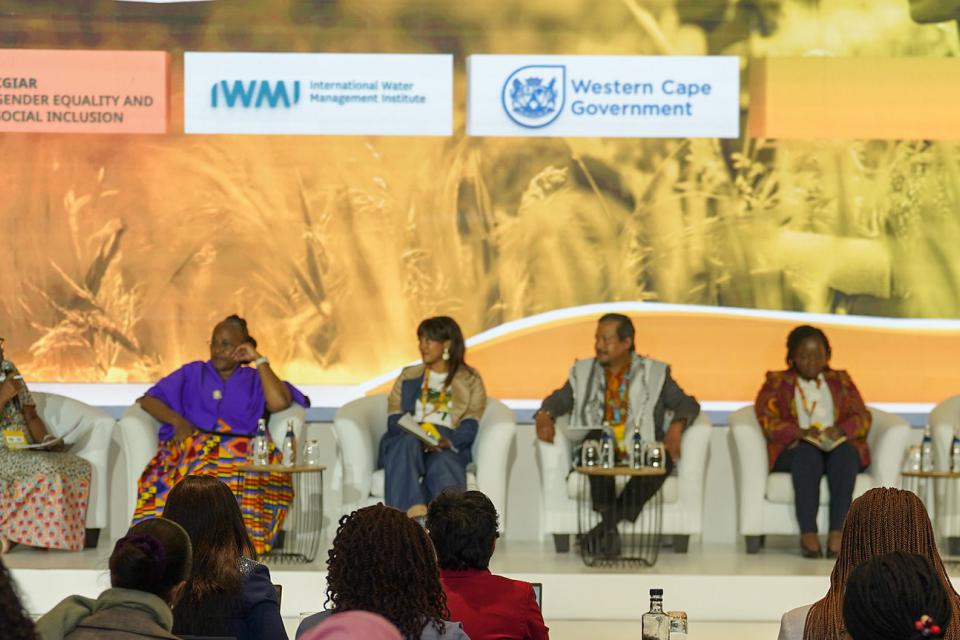
The CGIAR Gender in Food, Land and Water Systems Conference, hosted in Cape Town, South Africa (7–9 October 2025), brought together hundreds of researchers, policymakers and donors to discuss the actions urgently needed to close persistent gender gaps that continue to shape food, land and water systems.
The conference underscored the enduring inequalities that have for decades held back women, young and marginalized farmers from fully participating in and benefiting from the systems they sustain.
Co-hosted by the International Water Management Institute (IWMI) and the Western Cape Government (South Africa), the event also aligned with the global commemoration of Beijing+30, a global plan for gender equality focused on realizing gender equality and the empowerment of women and girls everywhere’.
Across three days, the conference featured four high-level plenaries, 41 parallel sessions, and over 50 poster sessions, showcasing a wide array of research, innovations and real-world experiences on accelerating equality in agri-food systems.
How systems can change for women
“We have often asked not how women can work for the systems, but how the systems can work for women,” said Aslihan Kes (independent consultant on gender in food systems) during the closing session.
She observed that the conference demonstrated a clear and urgent need to move from research to action, and required accessible, clear research supported by strong, evidence-informed policies developed in collaboration with governments such as the Western Cape Government (who can lead implementation).
Rachael McDonnell (Deputy Director General, IWMI) added that policy and program efforts must now move beyond token participation to ensure women’s full and meaningful engagement in governance and resource management.
“Gender equality is not a peripheral issue,” she added. “It must be integral to how we define research excellence, allocate resources, and measure impact.”
Lisa Hilgers (Gender Advisor, GIZ) stressed the importance of inclusion and co-creation. “We cannot accelerate equality without truly involving the people we design our work for,” she said of research, which must open up to diverse voices and lived experiences such as those of women, youth and Indigenous Peoples.
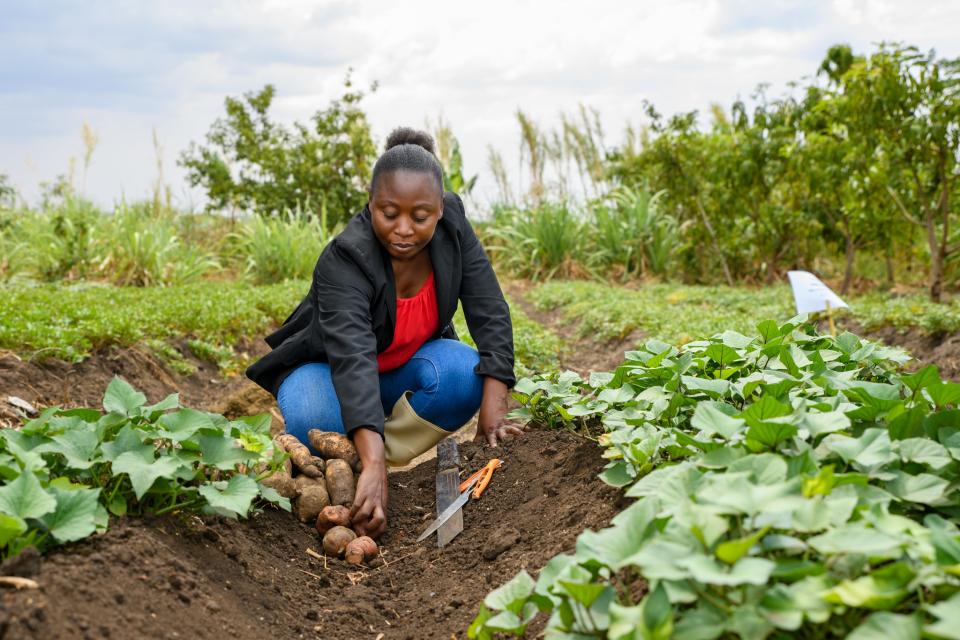
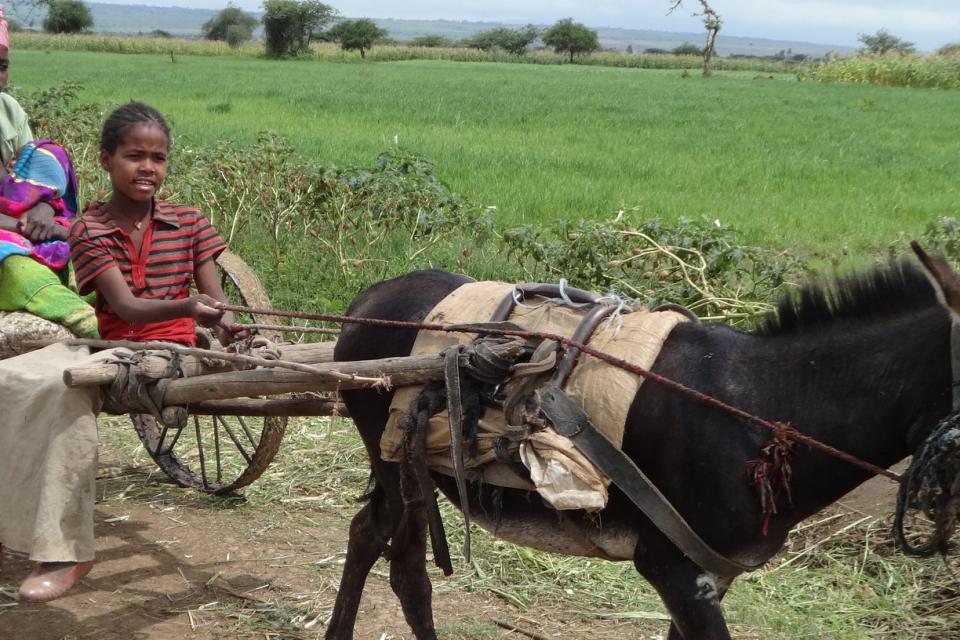
Speakers also noted that access remains one of the greatest barriers facing women farmers today. Many continue to lack the land, information and financial resources necessary to achieve full productivity and agency within food systems.
And harmful gender norms still persist as invisible barriers—restricting women to low-paying segments of value chains and excluding them from leadership and decision-making roles.
Discomfort for change can lead to profound results
Hilgers reminded us that “the fight for equality has never promised comfort.”
“It challenges privilege, unsettles norms, and provokes tension—and this is how change begins,” she said. Hilgers argued that we must rail against attitudes that still consider “gender as someone else’s issue.” She said that our communication must showcase successful interventions, and the benefits of action or the consequences of inaction.
The potential gains from addressing these barriers are profound. According to the FAO’s Status of Women in Agrifood Systems 2023 report, if just half of small-scale producers benefited from interventions for women-focused empowerment, incomes could rise for 58 million people, and resilience could strengthen for 235 million more.
When women and men have equal access to information and resources, the entire food, land and water system becomes stronger, more sustainable and more adaptive, said McDonnell. “Gender equality is a catalyst for transformation.”
Data and evidence remain important, said the speakers, as tools for driving policy and practice. The growing body of intersectional research must now inform frameworks that reflect the realities of women, youth and marginalized groups.
Partnerships are key for long-term sustainability of change
Conference speakers mentioned the need for strong partnerships and collaboration—across institutions, sectors and generations—to achieve lasting equality in food systems.
Hilgers celebrated the collective commitment of attending researchers and practitioners sharing evidence and solutions, urging everyone’s continued engagement in national, regional and global dialogues.
“Governments need to see that investing in equality is not charity—it’s smart policy,” she said.
Everisto Mapedza (Senior Social and Institutional Scientist, IWMI) added that partnerships themselves must embody gender responsiveness: “The gender responsiveness we champion at CGIAR must also be reflected in our collaborations.”
Nana Boakyewaa Amoah (Director, Gender, Youth and Inclusiveness, AGRA) used her time to point out the importance of working with governments and ministries to integrate care policies into national strategies. The ‘care economy’ is a major barrier to women’s economic participation.
She argues that research needs to demonstrate models of success in the unpaid care economy, and integrating care policies into national strategies.
Powerful stories, rigorous research, bold strategies leave attendees inspired
CGIAR continues to pioneer research frontiers in the food, land and water systems. Under the 2025–2030 research portfolio, the Accelerator on Gender Equality and Social Inclusion embeds equality at the heart of CGIAR’s science and innovation.
Mapedza confirmed his opinion that CGIAR needs to lead globally on gender conceptual frameworks and approaches.
He also called for a mindset shift in how we view and design for farmers: “Farmers are not the last mile—they are the first mile.” Mapedza said that research must adopt intersectional and disaggregated approaches that recognize the diverse realities of women farmers.
In his closing reflections, Daryl Jacobs (Deputy Director General, Department of Agriculture, Western Cape Government) echoed the value and urgency of the conference.
“We have shared powerful stories, rigorous research, and bold strategies. We have challenged assumptions, built new alliances, and reaffirmed our belief that inclusive systems are not only more just—they are more resilient, more productive and more sustainable.”
He called upon attendees to translate the conference commitments into action in our communities, institutions, and governments. “Let us center the voices of women, youth and marginalized groups not as beneficiaries, but as leaders and co-creators of the future,” he said.
Closing the session, Hilgers reflected on the collective spirit that defined the week: “Every conversation, every collaboration, and every shift in mindset moves us closer to the systems we want to build.”
Related content