What traditional solutions are women in remote areas using for climate change adaptation?
Subquestions
-
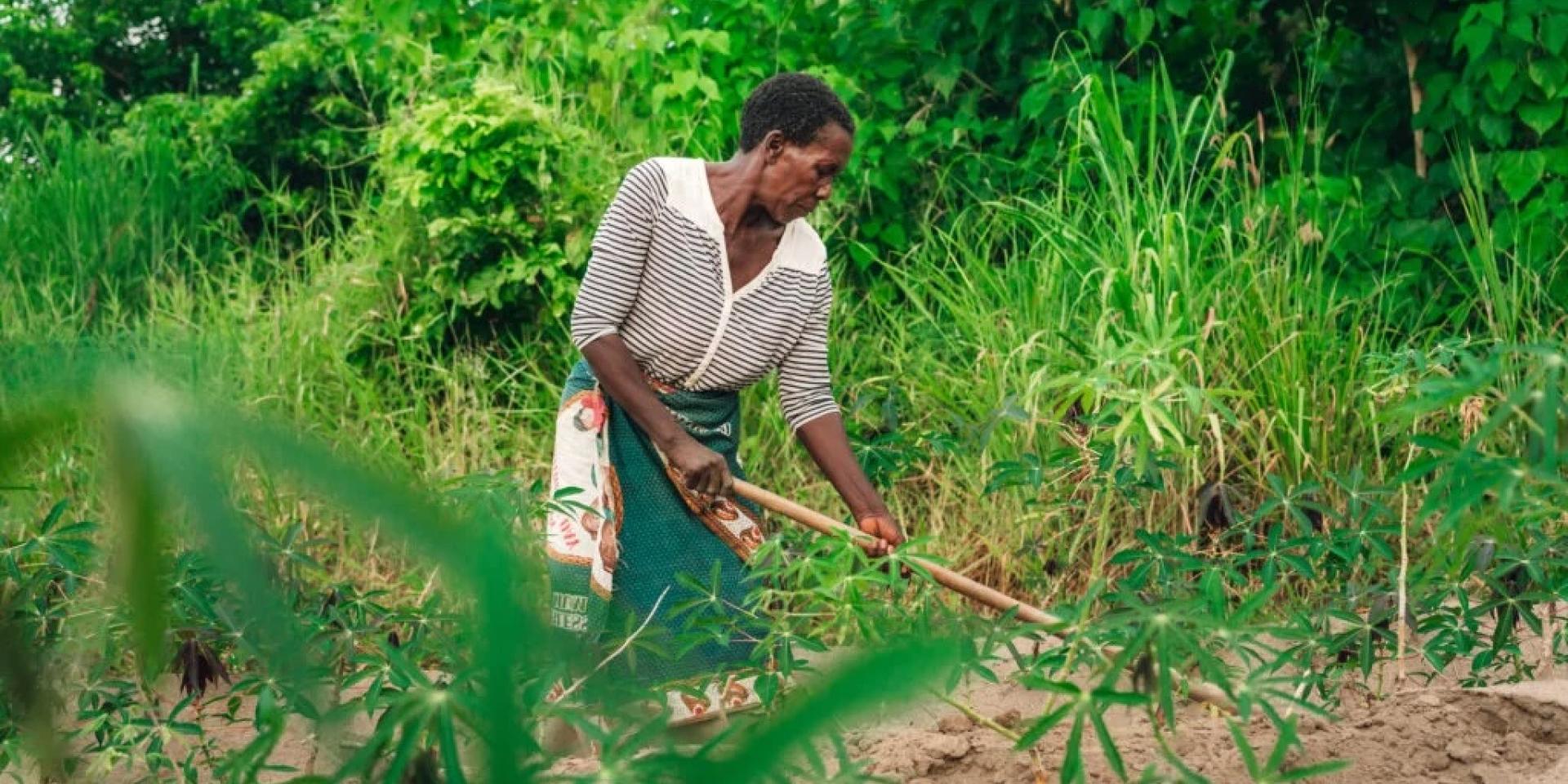
How are traditional farming practices being modified by women to cope with changing weather patterns and resource availability?
read all How are traditional farming practices being modified by women to cope with changing weather patterns and resource availability?
Key finding
Women innovate climate-resilient farming practices, including crop diversification, ecological restoration, and traditional knowledge sharing, to mitigate the impacts of changing weather and resource constraints.
Short summary
Women across various regions have adapted traditional farming practices to cope with changing weather patterns and resource availability. They emphasise climate-resilient crops, such as short-cycle varieties, flood-resistant rice (India), drought-resistant fapar (Nepal), and salt-tolerant crops (Bangladesh). Strategies like home-based gardening, mangrove regeneration, and floating gardens address ecological vulnerabilities. Women often integrate trees into cultivated land (Nepal), adopt diverse agricultural practices (Bangladesh), and engage in knowledge-sharing networks to preserve traditional biodiversity and seed conservation. Despite gendered disparities in access to resources, women creatively adapt by prioritizing early-maturing crops, altering planting practices, and leveraging informal institutions to sustain food security amidst climate challenges.
-
What indigenous knowledge systems and farming practices are women in remote areas utilizing to enhance resilience against changing climate conditions?
read all What indigenous knowledge systems and farming practices are women in remote areas utilizing to enhance resilience against changing climate conditions?
Key finding
Women in rural areas are key custodians of indigenous knowledge, using agroforestry, seed preservation, food conservation, and informal networks to enhance climate resilience and sustain agrobiodiversity.
Short summary
Women in rural areas enhance resilience to climate change through indigenous knowledge and farming practices. They play a vital role in agroforestry, gathering wild edible plants, and preserving agricultural biodiversity through seed selection, storage, and cultivation of indigenous crops. Women excel in food preservation techniques like sun-drying and are central to livestock care, milking, and fodder conservation. They use traditional ecological knowledge to predict climatic events, adapt settlements, and ensure food security. Informal social networks support knowledge sharing and innovation, despite limited access to formal systems due to sociocultural restrictions.
-
How are women adapting traditional water management techniques, such as rainwater harvesting or irrigation practices, to address water scarcity caused by climate variability?
read all How are women adapting traditional water management techniques, such as rainwater harvesting or irrigation practices, to address water scarcity caused by climate variability?
Key finding
Women adapt to water scarcity with innovative techniques like rainwater harvesting and drought-resistant crops, but face increased labor burdens and gendered inequalities in resource access and decision-making.
Short summary
Women are adapting traditional water management techniques to address water scarcity caused by climate variability through strategies such as rainwater harvesting, digging wells and boreholes, constructing water tanks and trenches, and using earthen pits like Sudanese hafiers. In Vietnam, women focus on cultivating drought-resistant rice, adjusting cultivation times, and improving irrigation practices to sustain productivity. However, these adaptations often increase labor demands, physical strain, and risks of gender-based violence as women travel longer distances to access water and firewood. Gendered roles in water resource management typically privilege men, limiting women’s influence over irrigation schedules and infrastructure decisions, further complicating their ability to cope with water scarcity.
-
In what ways are women leveraging traditional crop varieties or seed-saving techniques to maintain food security despite changing weather patterns?
read all In what ways are women leveraging traditional crop varieties or seed-saving techniques to maintain food security despite changing weather patterns?
Key finding
Women’s seed-saving and conservation practices are crucial for maintaining food security and adapting to climate variability, but gender-based resource access limitations hinder their ability to fully leverage their agricultural knowledge.
Short summary
Women play a critical role in maintaining food security by adopting traditional crop varieties and seed-saving techniques, particularly through knowledge of seed collection, preservation, and storage. In South Asia, women possess extensive knowledge of various seed varieties, particularly in rice cultivation, and are often the primary custodians of seed conservation. Despite their expertise, gendered constraints limit their ability to fully access resources such as traditional seeds and land, especially during critical seasons like the rainy season. In regions like West Africa, although women are key in seed selection and preservation, patriarchal structures often deny them access to seed banks and control over food resources, especially in times of climate-related crop failure. Informal networks and intergenerational knowledge transfer systems are crucial in preserving these practices and sustaining local biodiversity despite these gendered limitations.
-
How are traditional livestock management and agro-pastoral systems being modified by women to cope with the impacts of climate stress, such as droughts or floods?
read all How are traditional livestock management and agro-pastoral systems being modified by women to cope with the impacts of climate stress, such as droughts or floods?
Key finding
Women are reshaping traditional livestock management and agro-pastoral systems, expanding their roles in care, breeding, and diversification of practices to enhance resilience against climate stress.
Short summary
Women are adapting traditional livestock management and agro-pastoral systems to cope with climate stress by taking on critical roles in livestock care, including managing smaller, sick, and younger animals, and utilizing their traditional knowledge in milking, milk processing, and marketing. In regions like South Asia and Africa, they diversify livestock practices by rearing ducks, poultry, and small ruminants, and engaging in activities like grazing and fodder collection to maintain family nutrition and generate income. Women also play a key role in adopting improved livestock breeds and adjusting herd size and composition. As climate impacts force men to migrate or shift livelihoods, women increasingly manage livestock in homestead settings, ensuring household level nutritional and income stability and adaptation to climate stress.
-
What role do women play in community-based natural resource management systems, such as forest conservation or soil fertility practices, that are rooted in traditional ecological knowledge?
read all What role do women play in community-based natural resource management systems, such as forest conservation or soil fertility practices, that are rooted in traditional ecological knowledge?
Key finding
Women are integral to community-based natural resource management, contributing essential traditional ecological knowledge and adapting agricultural practices, despite facing barriers to decision-making and resource access.
Short summary
Women play a vital role in community-based natural resource management, especially through their traditional agro-ecological knowledge (TAeK) in areas such as soil fertility, crop management, and biodiversity conservation. In many African contexts, women are key to practices like pest control, controlled burning, composting, and agroforestry. However, gendered barriers, including limited access to land and decision-making power, often restrict their participation. While in systems like Conservation Agriculture (CA) men typically make final decisions, women contribute significantly to crop management and sometimes take on additional labour-intensive tasks, increasing their workload. Despite challenges, women’s involvement in CA and TAeK can enhance their agency and decision-making power. Acknowledging and supporting women’s contributions is crucial to enhancing the sustainability and resilience of community-based natural resource management systems.
-
How are intergenerational knowledge-sharing practices helping women farmers preserve and adapt traditional climate-resilient solutions for younger generations?
read all How are intergenerational knowledge-sharing practices helping women farmers preserve and adapt traditional climate-resilient solutions for younger generations?
Key finding
Women play a key role in biodiversity conservation and climate adaptation through traditional agro-ecological knowledge and informal networks, despite gendered challenges.
Short summary
Intergenerational knowledge-sharing practices are vital in helping women farmers preserve and adapt traditional climate-resilient solutions. Rooted in informal networks, these practices facilitate the transmission of vital agroecological knowledge, such as seed conservation, pest management, and wild plant use, especially in regions like South Asia, West Africa, and Southeast Asia. Women, often at the forefront of these practices due to gendered labor roles, play a key role in maintaining agricultural biodiversity and ensuring food security. While external pressures like globalization and formal education can erode this knowledge, women’s deep involvement in agroecological systems enables them to preserve and pass it on more effectively than men.