Inclusion as innovation: gender-responsive pathways to transform food and livelihood systems in climate-stressed landscapes
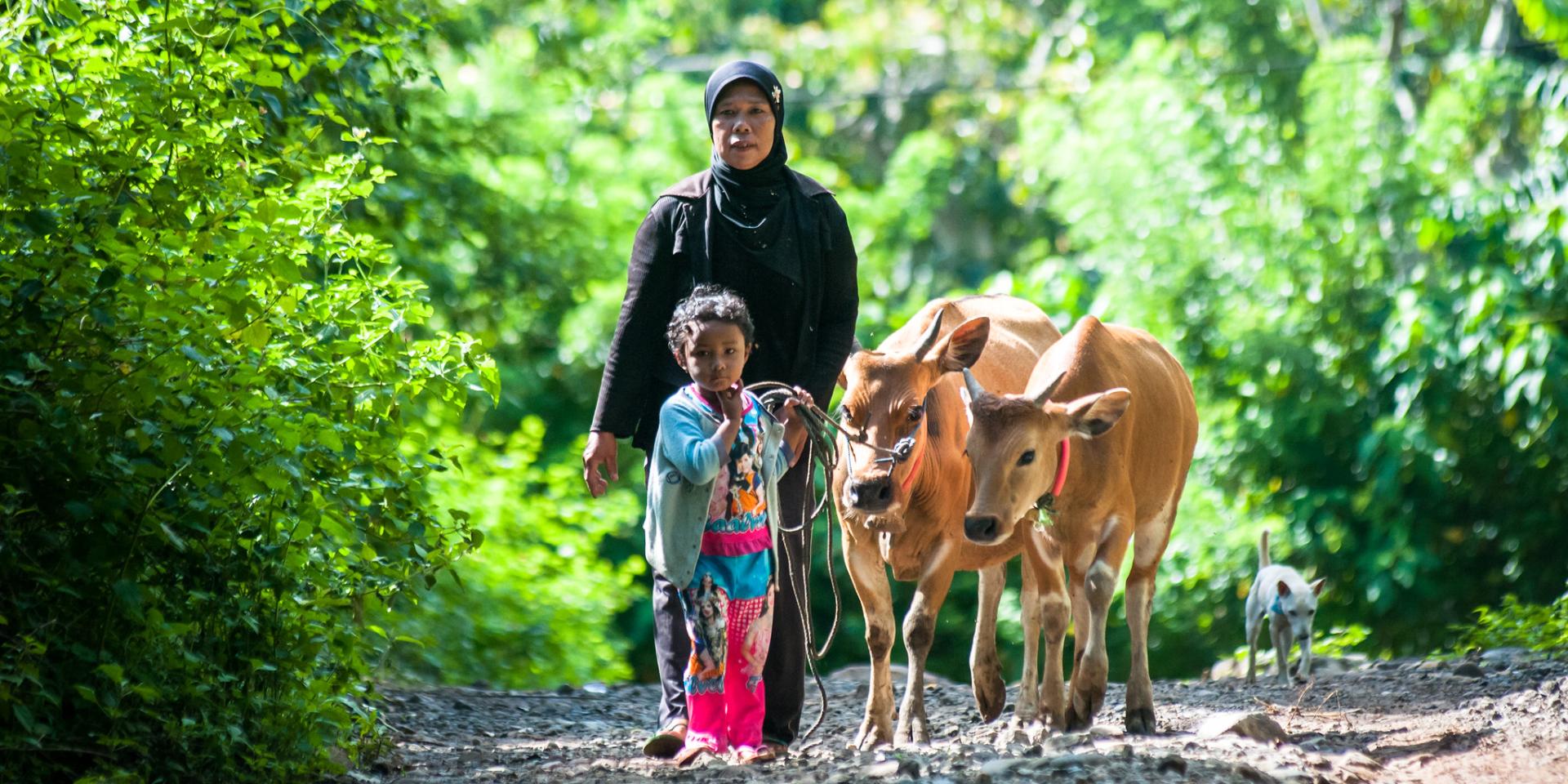 Photo: Aulia Erlangga/CIFOR
Systems and communities are only as resilient as the equity embedded within them. Reaching the so-called “last mile” towards equity demands not just inclusion, but innovation. In the face of growing climate crises, fragile governance and persistent gender inequalities, transformative and inclusive solutions in food, land and water systems are urgently needed.
At a recent research seminar hosted by the CGIAR Gender Equality and Inclusion Accelerator, four researchers shared field-based studies that demonstrated how gender-responsive and socially inclusive methodologies are revealing invisible barriers and contributing to new pathways for resilience and equity. The insights are from case studies from the disaster-prone regions of Pakistan, livestock systems of Ethiopia and Kenya, fisheries in Kenya, and the highlands of Rwanda.
Beyond the device: rethinking digital inclusion in climate responses
Research conducted by the International Water Management Institute (IWMI) in District Rahim Yar Khan, Punjab, Pakistan, challenged the assumption that digital technologies are universally accessible or effective for building climate resilience among communities. As part of CGIAR’s Fragility, Conflict and Migration initiative, this study examined the functionality and limitations of early warning systems for climate-induced migrants.
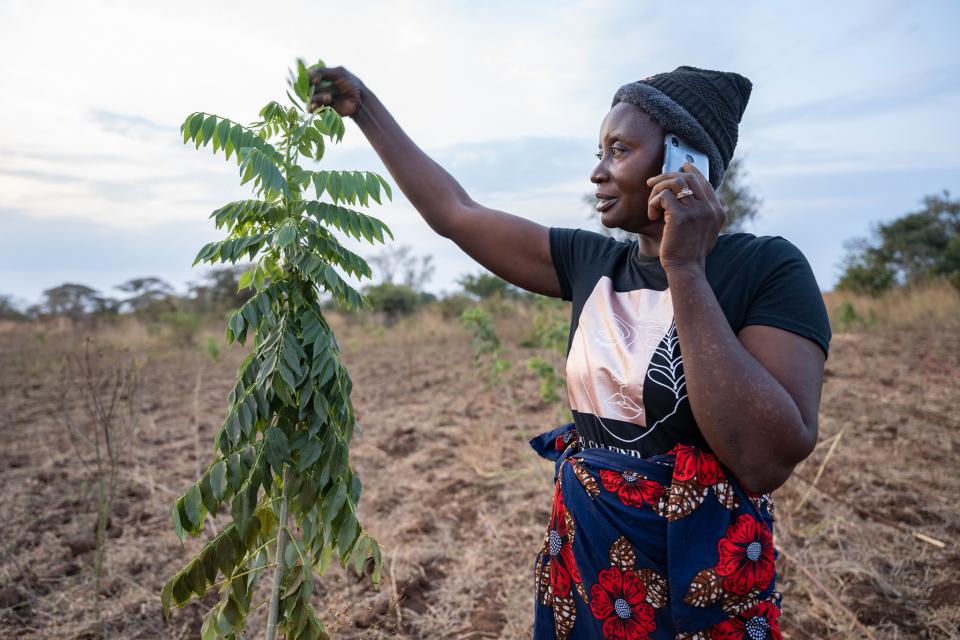
Despite ambitious digital climate-resilience agendas, the reality on the ground tells a different story. Of more than 800 surveyed displaced migrants, 72 percent of women and 51 percent of men lacked access to mobile phones. As few as 4 percent of women and 6 percent of men surveyed owned a phone. Consequently, the effectiveness of early warnings delivered via SMS, social media or mobile applications was marginal as most respondents rarely received a climate alert in time to act. Women shared poignant accounts of fleeing floods without warning, sometimes with only minutes to spare.
The barriers were not only technological, but also included long-standing cultural norms that restrict women from owning or using phones. Women have less access than their children, “I’m not allowed to keep a mobile phone; my eight-year-old son has a mobile phone and I borrow it from him whenever I need to make a call.” This is not merely an example of a technological divide, but of systemic social exclusion.
The study’s findings underscore the importance of re-evaluating ongoing digital infrastructure through an inclusivity lens to enhance community resilience during extreme climate events such as floods and droughts. The study also emphasized the effectiveness of trusted, non-digital channels such as local mosques, community centers and trusted face-to-face interactions in reaching vulnerable populations for disaster communications. Supported by gender-disaggregated data, these insights have contributed to ongoing dialogue with key government stakeholders and disaster management authorities, prompting a re-evaluation of the reliance on digital tools and early warning systems during extreme climate events. As a result, there is a growing shift toward more inclusive early warning systems that integrate digital solutions with community-based communication channels.
Unequal care, unequal lives: challenging gender norms in the livestock sector
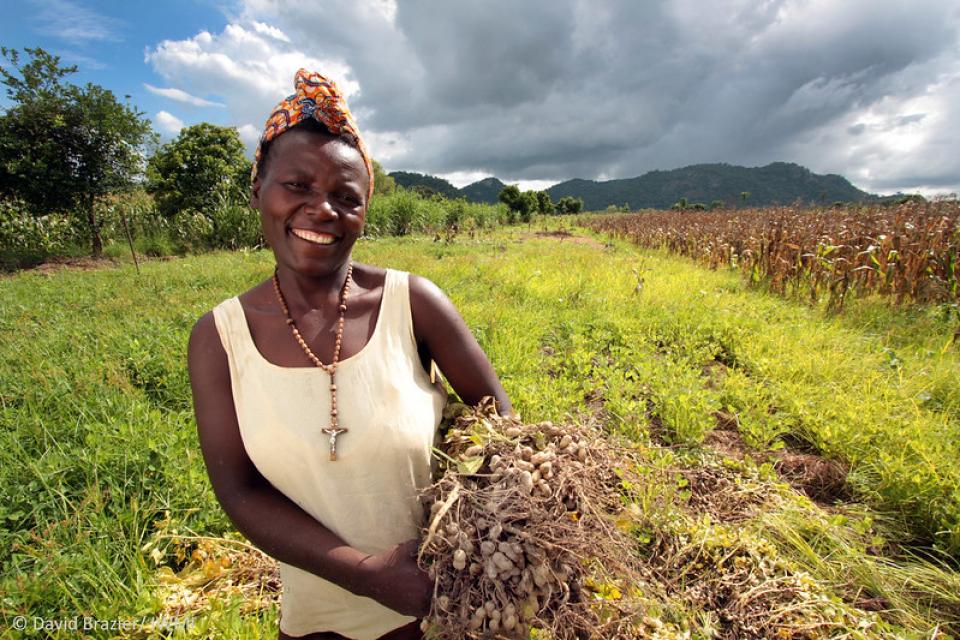
Research conducted in Kenya and Ethiopia under the Innovations for Reducing and Redistributing Labor (I4RR) project by the International Livestock Research Institute (ILRI) explored labor dynamics in the livestock and fodder sectors. The findings revealed deep-rooted gender disparities in both domestic and productive labor contexts. Women carried the bulk of care and livestock-rearing responsibilities, but were largely excluded from economic gains due to entrenched gender norms.
In both contexts, men were socially sanctioned for engaging in traditionally feminine tasks such as cooking, cleaning or childcare. Conversely, women were systematically excluded from asset ownership, market transactions and decision-making. In this normative ecosystem, any deviation from traditional roles often leads to gossip, social isolation and, in severe cases, domestic violence or divorce.
Despite these constraints, women asserted their agency in quiet, subversive ways, such as making livestock purchases in their children’s names or engaging in income-generating activities in secret. These quiet acts of resistance highlight both the resilience of women and the urgent need for systemic change.
The research emphasized the importance of bundling gender-transformative approaches with gender-accommodative approaches to not only promote inclusion, but also shift power dynamics. Recommendations of this study included advocating for joint asset ownership, integrating gender education into school curricula, and mobilizing men as gender-equality champions. The study also emphasized that to foster meaningful change in social norms, long-term and localized efforts that leverage tools such as storytelling, religious sermons and community theatre are beneficial. These approaches are effective because they tap into culturally resonant platforms, making gender messages more relatable, emotionally engaging and easier to integrate within diverse community settings.
Losses and invisible work in fish value chains
Using a gender lens, insights from WorldFish’s work in Kenya revealed how women’s limited access to information and technology in the fisheries sector contributes to significant, yet often overlooked, fish post-harvest losses. Globally, over a third of seafood is lost or wasted, and gender norms play a critical role in determining who absorbs this loss.
Women typically enter the fisheries value chain at the post-harvest stage, often with delayed and limited access. Constrained by domestic responsibilities and restricted mobility, they tend to purchase lower-quality fish and lack access to essential resources such as credit, cold storage and training opportunities to participate more fully in the value chain. These barriers result in higher spoilage rates, lower incomes and fewer options for cost recovery.
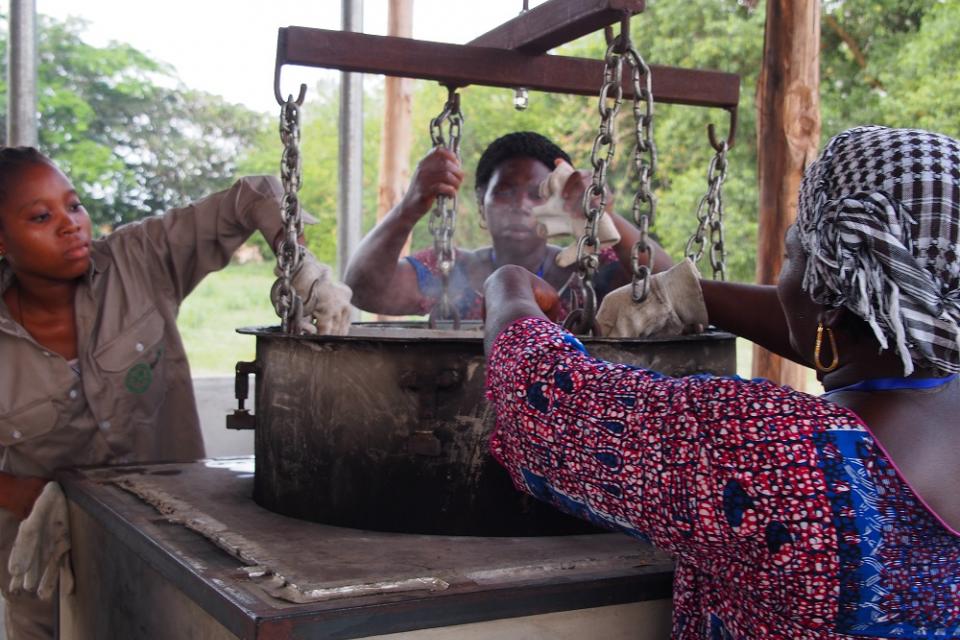
However, promising gender-responsive innovations are becoming available. Technologies such as solar dryers, mobile processing units and customized training programs for women can significantly reduce losses. Financial inclusion mechanisms such as microfinance and women-led savings groups further enhance meaningful participation in the fish value chain. Yet, tools and technology alone are insufficient. For policy to be effective, it must prioritize solutions that are co-created with women and focus on building long-term leadership, not just surface-level access and inclusion.
Gender in policy: moving from surface-level Inclusion to systemic change
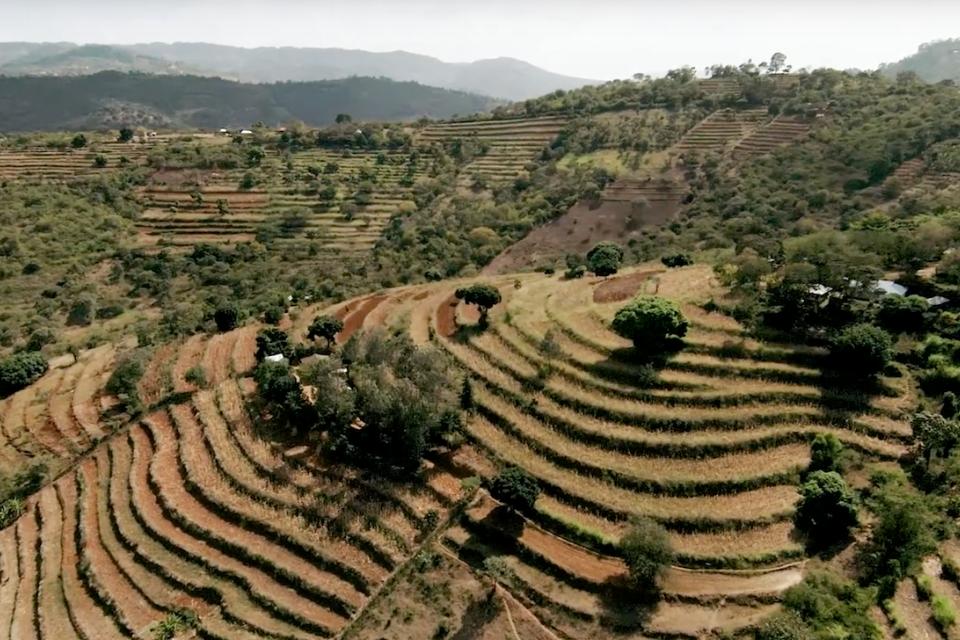
A review of national policies and implementation plans by IWMI in Rwanda revealed a persistent gap in how gender equality and social inclusion are, or are not, integrated within landscape governance. While gender is frequently referenced in policy documents across sectors such as water, agriculture, forestry and climate, these references are often aspirational and lack concrete mechanisms for implementation.
Most policies fail to assign clear responsibilities, allocate budgets or define measurable indicators for monitoring. When implementation roles are specified, they are typically relegated to the Ministry of Family and Gender, isolating gender equality and social inclusion from core sectoral strategies, rather than effectively embedding it systemically across institutions.
To move beyond tokenism, the research calls for deeper contextual analysis; the inclusion of intersecting identities such as age, disability and poverty; and the development of robust, cross-sectoral indicators to track progress. Without these foundational shifts, even well-intentioned policies will remain symbolic rather than transformative.
Systems thinking for inclusive transformation: a common thread
A shared insight emerged from across all four presentations: holistic and systems-based gender equality and social inclusion must be leveraged for meaningful transformation. Whether addressing the intersection of digital access and climate migration, the burden of unpaid care work or policy misalignment, no single intervention is sufficient in isolation.
This work demands collaboration—across sectors, disciplines and institutions. The presenters emphasized working across institutional boundaries by engaging local government departments, partnering with embedded non-government organizations, integrating gender across entire policy ecosystems, and directly confronting the real “cost of exclusion” in advocacy efforts.
Equally important is a shift in mindset. Researchers and practitioners must challenge their own biases, particularly around digital access, and prioritize proximity, humility and a commitment to deeply listening to those most affected.
Conclusion: evolution and transformation
The four research studies presented that transforming food systems requires both strategic and gender-transformative approaches across value chains. CGIAR research must address not only technological inclusion but also the cultural and normative barriers that limit women’s access to and control over agricultural benefits.
A critical takeaway was the need to recognize and respond to the care economy, which is a hidden and silent burden on the demand for women’s time and opportunities. Inclusive food systems that account for these dynamics will benefit both men and women and positively impact societies.
Ultimately, gender-responsive and socially inclusive approaches are not add-ons or side-goals. They are the foundation of resilient, equitable food, and livelihood systems. When grounded in local realities and co-developed with communities, these systems do not just survive crises; they evolve and transform despite them.
Acknowledgement
We are deeply grateful to the four seminar presenters whose gender research insights helped shape this blog: Kanwal Waqar and Likimyelesh Nigussie, from the International Water Management Institute (IWMI), Nelly Njiru from the International Livestock Research Institute (ILRI) and Sara Bonilla Anariba from WorldFish.
Related content