HER+: Advancing Gender Equality for Climate-Resilient Food Systems
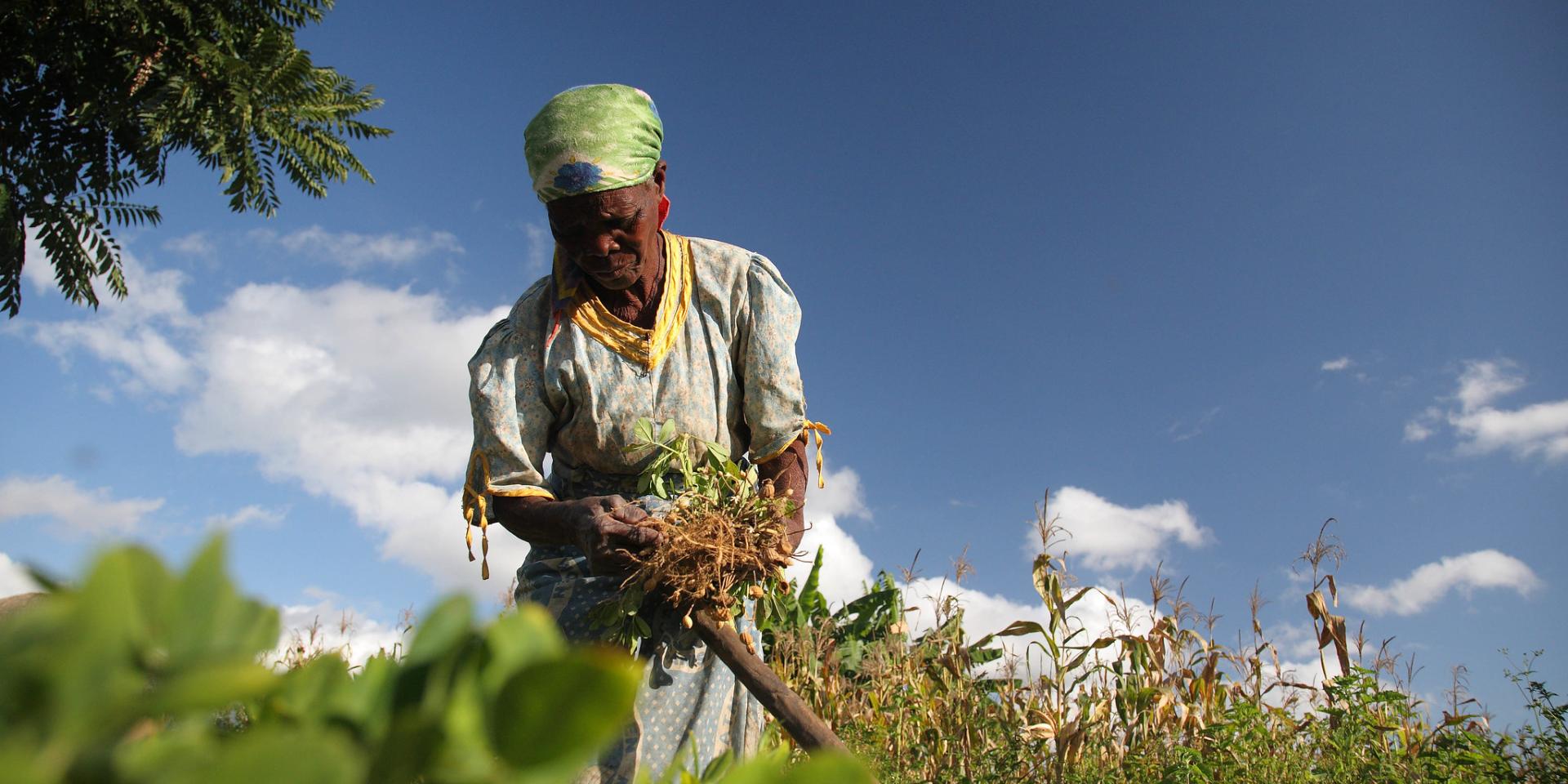 Photo by ILRI/Stevie Mann
HER+, the CGIAR Research Initiative on Gender Equality, worked to strengthen gender equality and social inclusion for their intrinsic value and as a pathway to building climate resilience in food systems across the Global South.
Through impactful gender research and partnerships in countries including Nigeria, Mali, Tanzania, India, Bangladesh, Ethiopia, and Malawi, HER+ focuses on four key areas:
-
Gender-transformative approaches that tackle the root causes of inequality by challenging inequitable gender norms and increasing opportunities for women to engage fully in food systems and build economic resilience to climate change.
-
Co-designed gender-responsive socio-technical innovation bundles that support women in adopting and shaping climate-smart technologies through inclusive tools and processes.
-
Gender-inclusive social protection that ensures more gender-equal access to resources to support the empowerment and adaptation and resilience capacities of women, their families, and communities.
-
Inclusive governance, amplifying women's voices in decision-making and policy processes that shape agrifood systems and climate action.
By targeting structural barriers to gender equality and creating evidence-based solutions, HER+ is helping to foster systemic change and empower individuals, especially women, to thrive and contribute to vibrant, resilient communities amid climate challenges.
The new CGIAR Gender Equality and Inclusion Accelerator will advance the work of HER+ through the Area of Work (AoW) called ‘Accelerating Solutions for Impact’. The AoW Solutions will identify impactful scalable solutions to lift systemic barriers to gender equality specific to food, land and water systems under a changing climate.
Key HER+ Resources
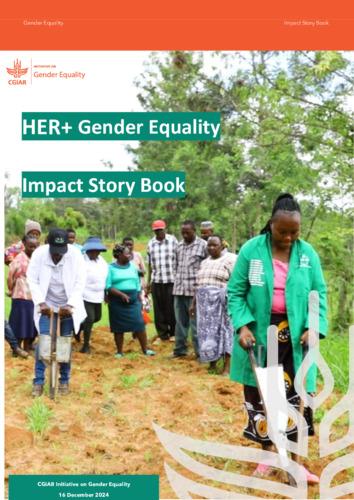
Impact Story Book
Discover the transformative power of jointly tackling the structural barriers to gender equality in agrifood systems through the HER+ Gender Equality Impact Story Book. These compelling narratives showcase how rural women, men, and their communities, together with local agrifood actors, are breaking barriers to equality, reshaping food systems, and driving climate resilience in communities across Africa and Asia. From pioneering sustainable farming practices to leading community initiatives, each story is a testament to the profound impact of gender equality in agrifood systems. Dive into these inspiring accounts and witness how increasing gender equality and empowering women is not just a goal but a catalyst for global change.
-
Co-design addresses restrictive gender norms in agrifood systems
-
Building capacity and resilience of women farmers in India
-
Adoption of sustainable land management interventions in Ethiopia
-
Sustainability systems address gender inequality in value chains
Read the impact story book here
HER+ Research Collection
Explore the CGIAR Research Initiative on Gender Equality, HER+ research collection: a curated collection of the publications and innovations from HER+ initiative TRANSFORM, EMPOWER, PROTECT, and VOICE work packages. The exclusive ready-to-use tools and metrics button offers innovation solutions to addresses both systemic and individual constraints that hinder gender equality and climate resilience in food, land and water systems.
Annual Report
The HER+ Annual Technical Report highlights significant strides made to advance gender equality and women's empowerment in agrifood systems across Africa and Asia. Through its four work packages—TRANSFORM, EMPOWER, PROTECT, and VOICE—HER+ addressed structural barriers to gender equality. Together with local partners and communities, HER+ developed and implemented evidence-based strategies and innovative tools to challenge inequitable gender norms and support women’s empowerment in agrifood systems with gender-responsive climate-smart socio-technical innovation bundles (STIBs). National governments and international organizations have used HER+ evidence on approaches for leveraging social protection systems for equality and climate resilience to inform program designs. Collaborations with national governments, research institutions, NGOs and organisations representing private sector actors led to the development and testing of tools and strategies to enhance women’s voice and influence in community governance and policy processes and the strengthening of gender considerations in global sustainability standards. Looking ahead, HER+ plans to build on these achievements by deepening research on ways to challenge structural barriers to equality and inclusion, enhancing equal access to resources, agency and voice, and exploring innovative mechanisms like cooperatives and financial inclusion models to foster equitable agrifood systems.
Related content