Forest loss in Malawi: how having women at the table affected debates and decisions about solutions – research
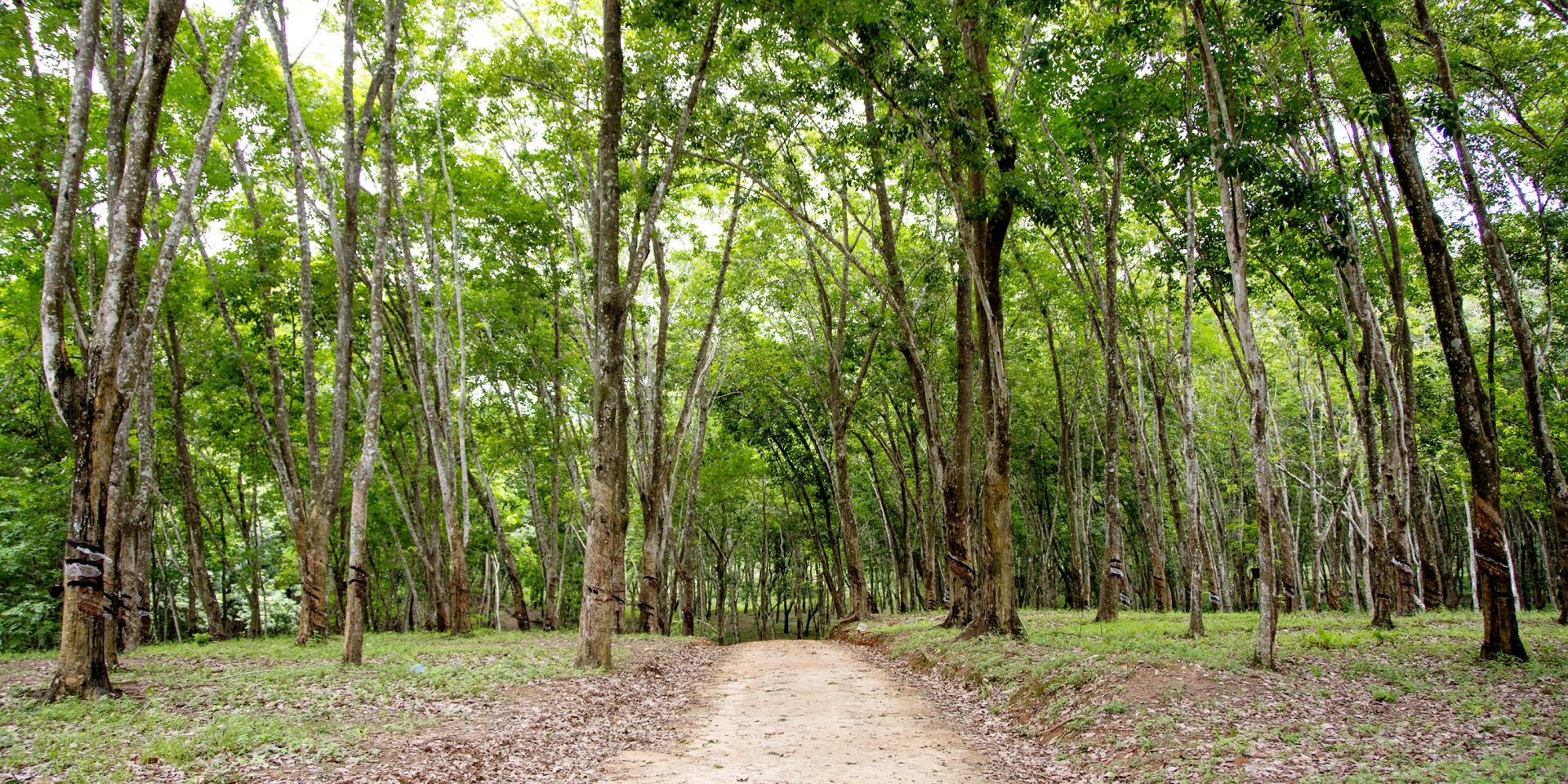
Around the world, climate change is being tackled, not just in parliaments and global summits, but also in villages and farming communities. In these local spaces, lives and livelihoods depend directly on natural resources, and decisions are often made in groups.
Globally, including women in action against climate change is seen as crucial. Especially in rural agricultural settings, women bear a substantial burden from the warming planet. But there has been little research on whether simply having more women involved in climate action changes the decisions taken by communities to combat global warming – or whether it matters.
We are a team of political scientists and economists who investigated ways in which women influence community solutions to overharvesting of forests in rural Malawi. Overharvesting relates to how rural economies operate and is a problem that often requires political solutions.
We worked with 90 rural communities in small groups that had different numbers of women. The communities were all based near Malawi’s Zomba-Malosa Forest Reserve, an area suffering widespread overharvesting of trees for timber, fuelwood, and charcoal.
About 2% of Malawi’s forests are destroyed every year, including forests in this reserve, a rate more than double that of neighbouring countries. Very low levels of electrification in the country and high natural gas prices mean that fuelwood is used widely for cooking.
We asked people in the groups to vote privately on six options to protect the forest. Then the group discussed the options and voted again. They also voted for who they thought was the most influential member of the group. This allowed us to measure the influence that women, and the numbers of women, had on the group discussions and decisions.
Our research found that when women were present, the discussions shifted towards solutions for which women have socially recognised expertise (women are experts on cooking methods and tree replanting).