Being invited to the table does not equate to sense of belonging: rethinking women’s participation in community forestry
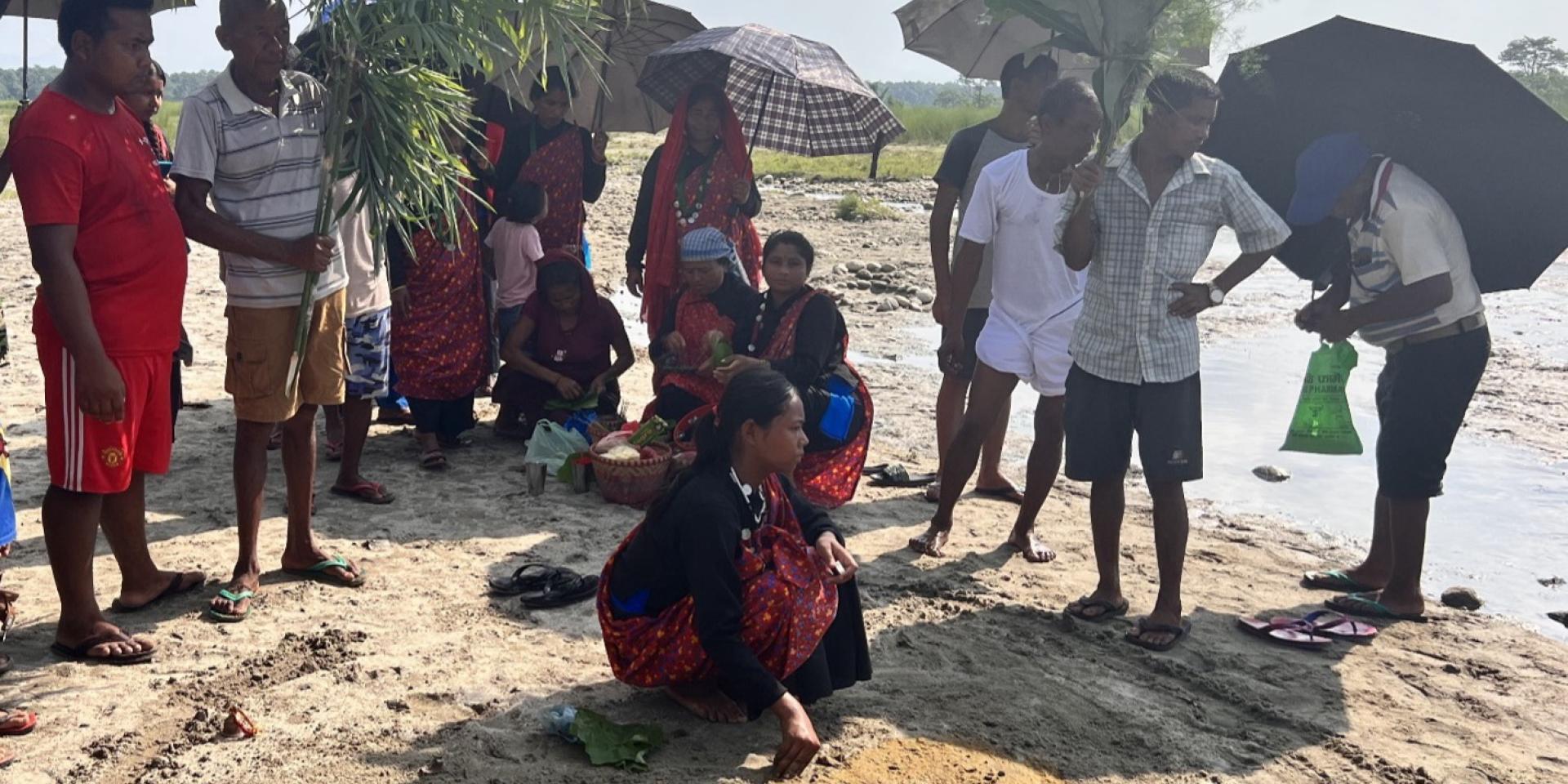
The community forest near my home in Nepal, which is the place I know the best, was the inspiration for my study. As a girl, I watched women in my community get up early to collect firewood, timber, herbs, edible plants, medicinal herbs and defend the forest with care and quiet resolve. Their lives were inextricably linked with the forest, yet they were rarely accepted into the rooms where decisions about those forests were made. Their knowledge was invaluable and their dedication was consistent, yet their voices were frequently unheard when it came to shaping conservation programs.
Speaking from personal experience
When my supervisor, Dr Morales, asked what I wanted to do for my masters degree, I found myself speaking from personal experience. I discussed the difficulties I had as a woman attempting to carve a niche in conservation, preconceptions that questioned my intelligence and aptitude, and the deeper frustrations of being a part of a system that frequently ignores people like me. That conversation made me realize that my experience is not unique—it is part of a larger trend of marginalization that many women in conservation, particularly Indigenous women, continue to face.
This realization provided the impetus for my research. I wanted to know not only why women are excluded, but also how we might progress towards more meaningful participation that values our knowledge, centers our experiences, and empowers us to lead.
Listening to the people who shape participation
To learn more about how women, particularly Indigenous women, are active in the governance of Nepal’s buffer zone community forestry, I interviewed Chitwan National Park officials and committee leaders from eight community forests surrounding the buffer zone. These forests are part of Nepal’s internationally renowned community forestry system. But I wanted to hear from those in charge of executing policies and selecting leaders. How do they view women’s participation? What do they perceive as the barriers to and opportunities for participation of women?
While the purpose was to understand the barriers, what I discovered was so much more. Yes, systemic hurdles persist: deeply ingrained social conventions, time constraints, a lack of confidence and a male-dominated environment all exist. However, hidden within the interviews were leverage points—intrinsic, cultural and relational routes that made women’s engagement more relevant. Three main points emerged to help to ensure women’s active participation in community forestry projects and programs.
- Promote intrinsic motivation, not just incentives
Many conservation organizations want to engage women by offering financial incentives. These incentives can certainly help, but they are not always adequate. My study found that women were more likely to be deeply involved in a conservation organization when they had a feeling of ownership, pride or a personal connection to the forest.
Local leaders on one committee I interviewed highlighted a shift away from punitive enforcement towards a more collaborative, education-based approach. Previously, forest preservation included threats, arrests and destruction of property such as fishing nets, and were frequently enforced by park authorities and the army. In contrast, the current method emphasized listening, recognizing community needs and fostering trust, particularly among women. While financial incentives were used, what truly made a difference was how women felt seen, respected and understood. Their contributions to conservation were appreciated, and their concerns were heeded. The move from fear to respect strengthened the framework for involvement. Women are no longer viewed as violators to be punished, but as partners in stewardship. Over the last five to six years, engagement has become more founded. I argue this is not only because of the financial incentives, but also because women felt and believed they were understood, acknowledged and valued—all elements of a sense of belonging—in the community forestry setting.
I strongly contend that to effectively promote meaningful involvement, which means commitment beyond just duties or being involved for the sake it, we need to understand the socio-psychological aspects of women to cultivate their intrinsic motivation. Women’s knowledge, emotional connections to the land and forest and a vision of conservation as a legacy can be significant motivating factors, not only a source of income. Financial incentives can help, but they should not be the sole motivator for involvement. When programs invest in developing women’s emotional commitment to a project or program, they lay the groundwork for long-term participation, even when financing changes. I believe this is critical for developing long-term conservation strategies.
2. Leverage Indigenous women’s deep connection to place
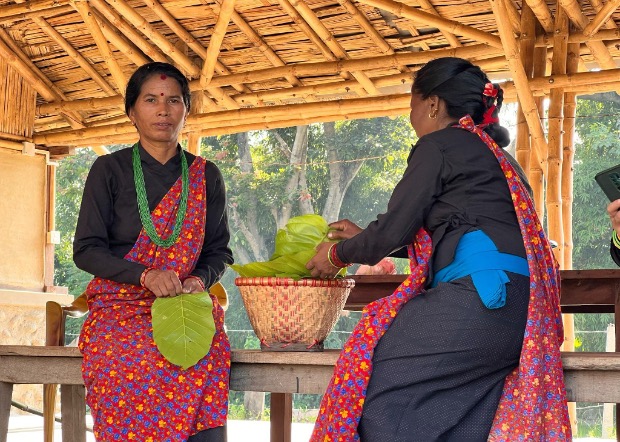
Indigenous women do not have to be persuaded to care about conservation; they have always been part of it. What they require is a system that recognizes and honors the way they lead through relational care, traditional knowledge and community stewardship.
In some contexts, historical events have influenced Indigenous women’s participation. One person related a story about how their community forest was almost on the verge of extinction. It was barren. Their elders struggled to rebuild it. Now, history continues to live on as they stroll beneath its green canopy. It is more than simply the forest; it is about identity, community and home.
3. Focus on the quality of participation, not just the numbers
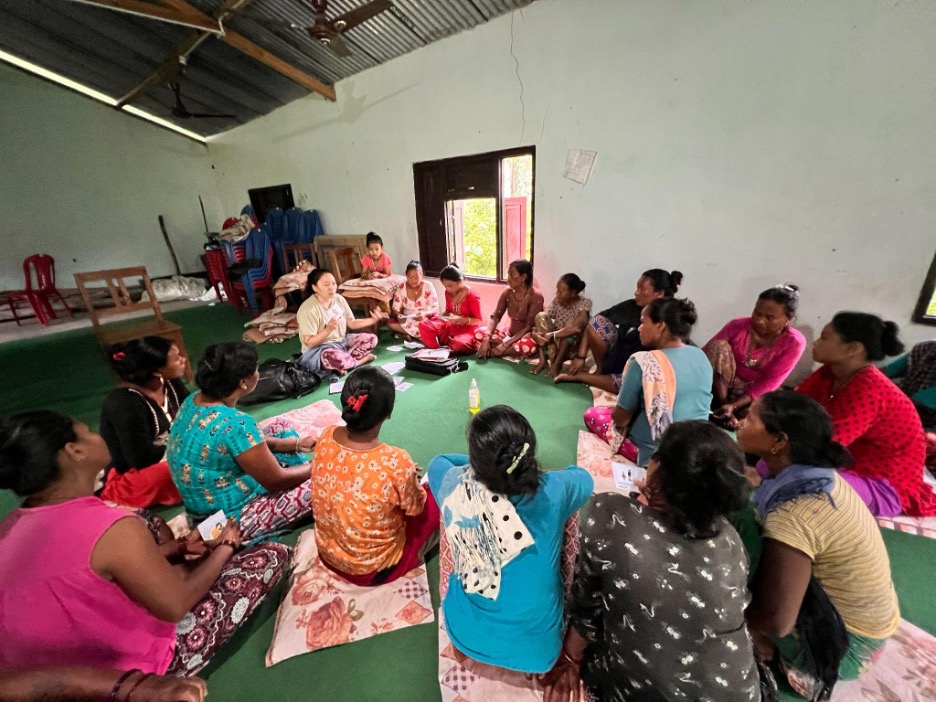
Nepal’s forestry policy requires that women make up 33 percent of community forest committees. On paper, this seems like progress. But when we looked deeper, we saw that many of the positions were symbolic. Women were frequently appointed to meet quotas, not to influence decisions.
Meaningful engagement requires more than just taking a seat; it means having a voice, being heard, influencing decisions, challenging norms and driving change. True inclusion cannot be assessed solely by attendance sheets. It must be shown in the results.
Looking ahead: from tokenism to transformation
As I reviewed my findings, one thing was evident—we have already identified the barriers and documented them for decades, but what we need now are actionable steps and concrete methods to move forward.
To move forward, we need to change how we define leadership. Gendered language that portrays conservation as a man’s responsibility is problematic. We need to restructure the process for nominating women to committees, make room for Indigenous women’s expertise to drive programs and, most importantly, treat women as co-creators of conservation rather than recipients.
This research began with a reflection on my personal experience of struggling to belong in an environment that did not always feel like it was designed for me. Working on this project taught me that being invited to the table does not equate to belonging. Belonging occurs when we transform the very venues in which decisions are made so that the wisdom, lived experiences and the leadership of women, particularly Indigenous women, are not only acknowledged but actively determine the course of conservation.
--
Disclaimer: This story has been written by Anu Rai, Ph.D student at Virginia Tech; the views expressed here are those of the author(s) and do not necessarily reflect the views of CGIAR GENDER.